Recovered Materials
We recover valuable metals, battery materials and plastics through environmentally responsible recycling processes. These materials are supplied for industrial reuse, supporting the circular economy.
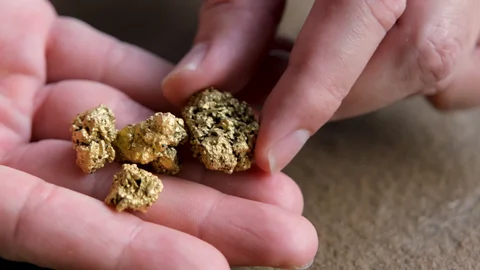
Gold (Au)
Gold is recovered from printed circuit boards (PCBs), processors, connectors, and other high-value electronic components. Due to its excellent conductivity and corrosion resistance, recovered gold is widely reused in electronics manufacturing, aerospace, medical devices, and precision industrial applications.
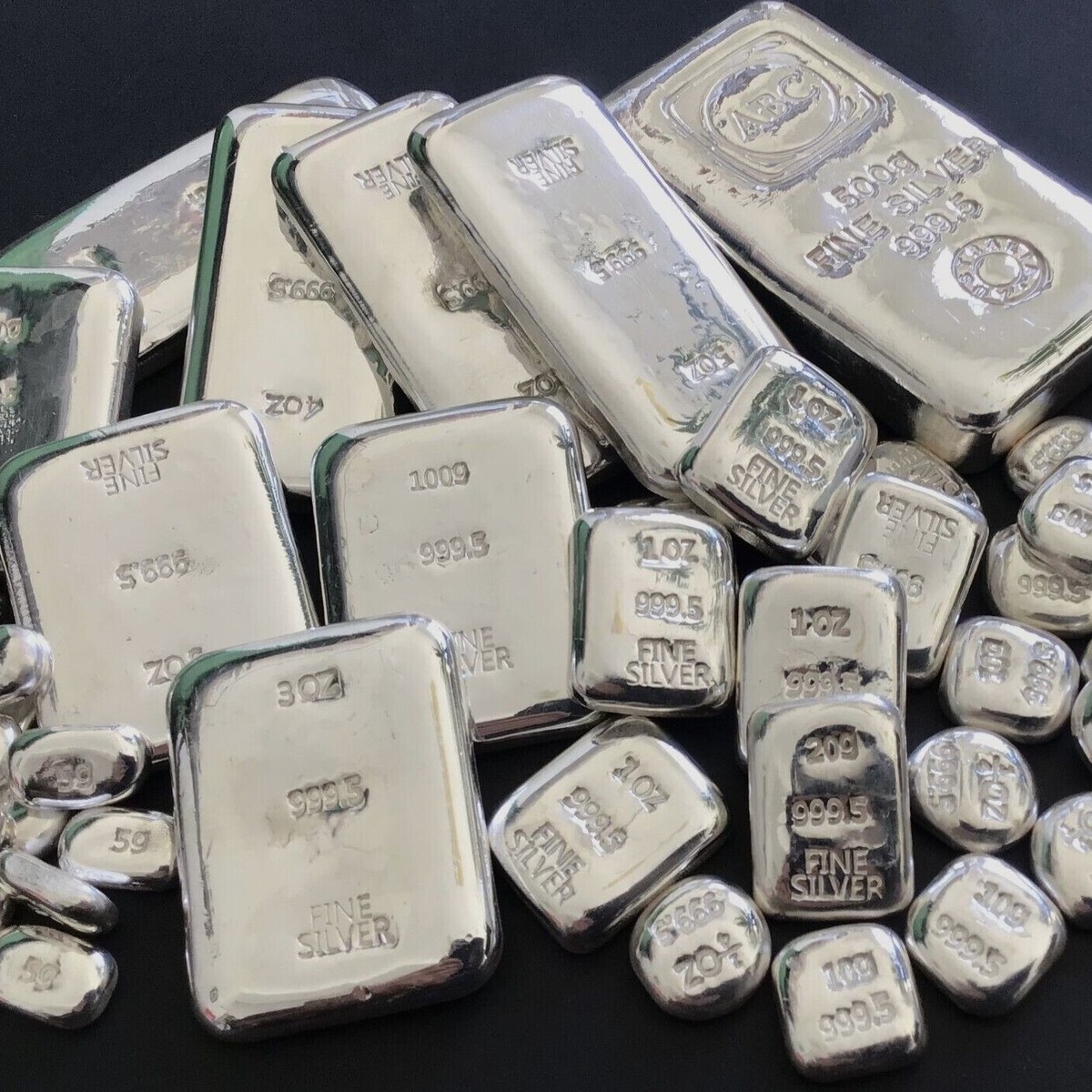
Silver (Ag)
Silver is extracted from electronic circuits, switches, contacts, and industrial equipment. Its superior electrical and thermal conductivity makes recovered silver suitable for electrical components, solar panels, medical devices, and various industrial applications.
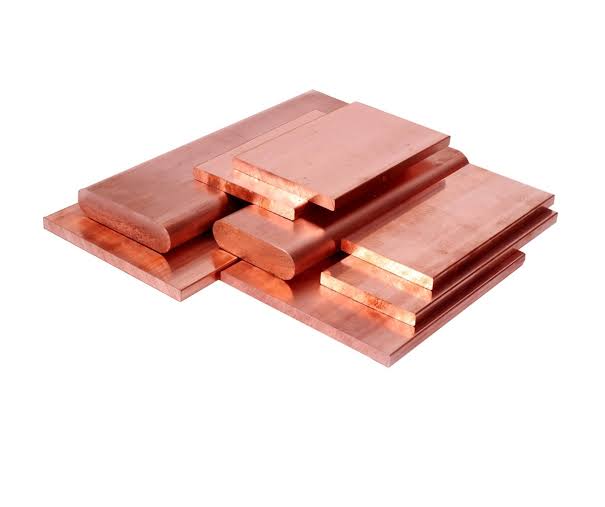
Copper (Cu)
Copper is recovered from electrical cables, motors, transformers, wiring, and printed circuit boards. Recycled copper retains its original properties and is extensively used in electrical infrastructure, automotive, renewable energy, and manufacturing industries.
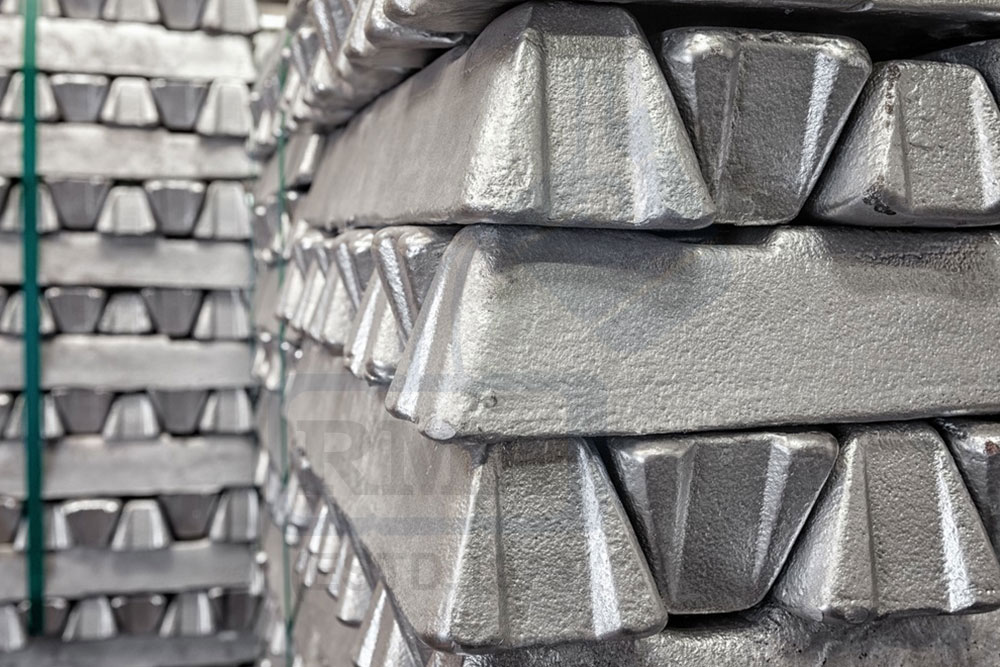
Aluminum (Al)
Aluminum is recovered from electronic housings, heat sinks, machinery parts, and industrial equipment. Its lightweight, corrosion-resistant, and recyclable properties make it ideal for construction, automotive, aerospace, and consumer product manufacturing.
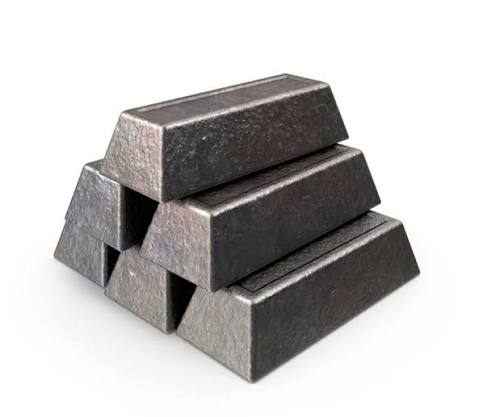
Iron (Fe)
Iron is recovered from machinery, appliances, industrial equipment, and structural components. Recycled iron is processed into high-quality raw material used in steel production, engineering, heavy machinery, and infrastructure projects.
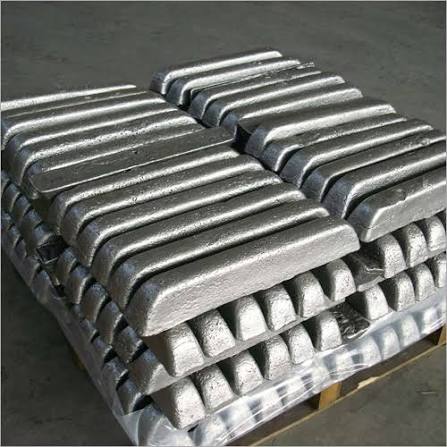
Steel
Steel is recovered from industrial machinery, cabinets, construction materials, and equipment frames. It is reprocessed into durable raw material for use in construction, automotive manufacturing, engineering, and heavy industrial applications.
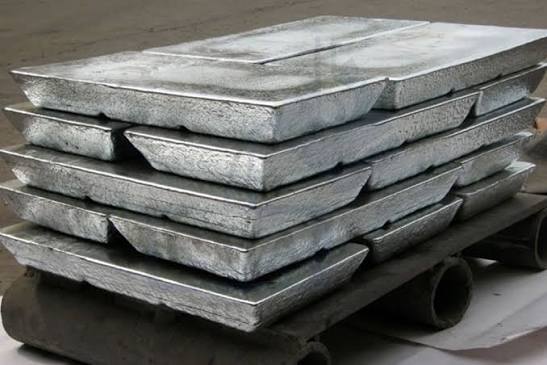
Zinc (Zn)
Zinc is recovered from galvanized steel, industrial components, batteries, and metal coatings. Recycled zinc is widely used for galvanization, alloy production, die casting, and corrosion-resistant industrial products.
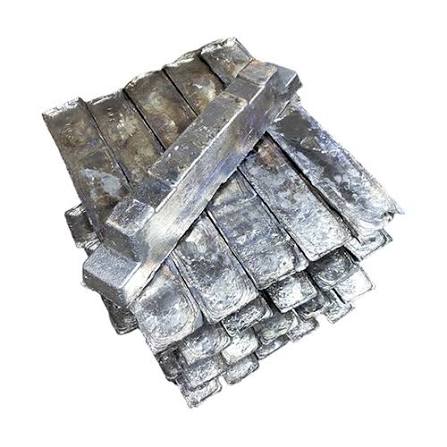
Lead (Pb)
Lead is primarily recovered from lead-acid batteries and industrial waste. Through environmentally responsible recycling, recovered lead is reused in battery manufacturing, radiation shielding, cable sheathing, and specialized industrial applications.
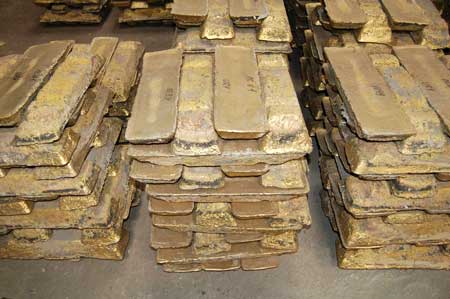
Brass
Brass is recovered from plumbing fixtures, valves, connectors, electrical fittings, and industrial components. Recycled brass is widely used in engineering, decorative products, marine equipment, and precision manufacturing.
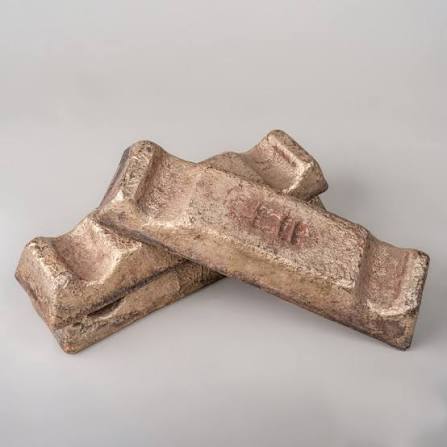
Bronze
Bronze is recovered from bearings, bushings, industrial machinery, sculptures, and marine equipment. Its excellent wear resistance makes recycled bronze suitable for engineering, construction, and heavy industrial applications.
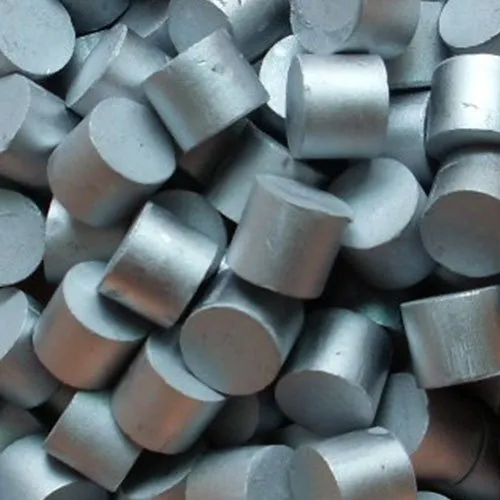
Lithium
Lithium is recovered from end-of-life lithium-ion batteries using advanced recycling technologies. The recovered material supports the manufacturing of new EV batteries, energy storage systems, and next-generation rechargeable battery technologies.
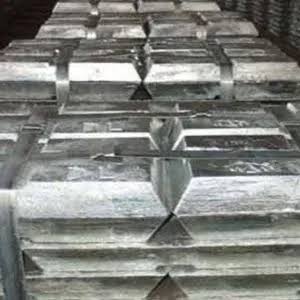
Cobalt
Cobalt is recovered from lithium-ion batteries used in electric vehicles, electronics, and energy storage systems. Recycled cobalt helps reduce dependence on mining while supporting sustainable battery production worldwide.
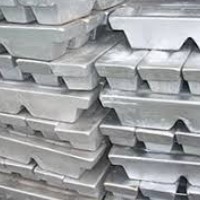
Manganese
Manganese is recovered during advanced battery recycling processes and reused in battery cathodes, steel manufacturing, chemical production, and various industrial applications. Recycling ensures efficient resource utilization and environmental sustainability.
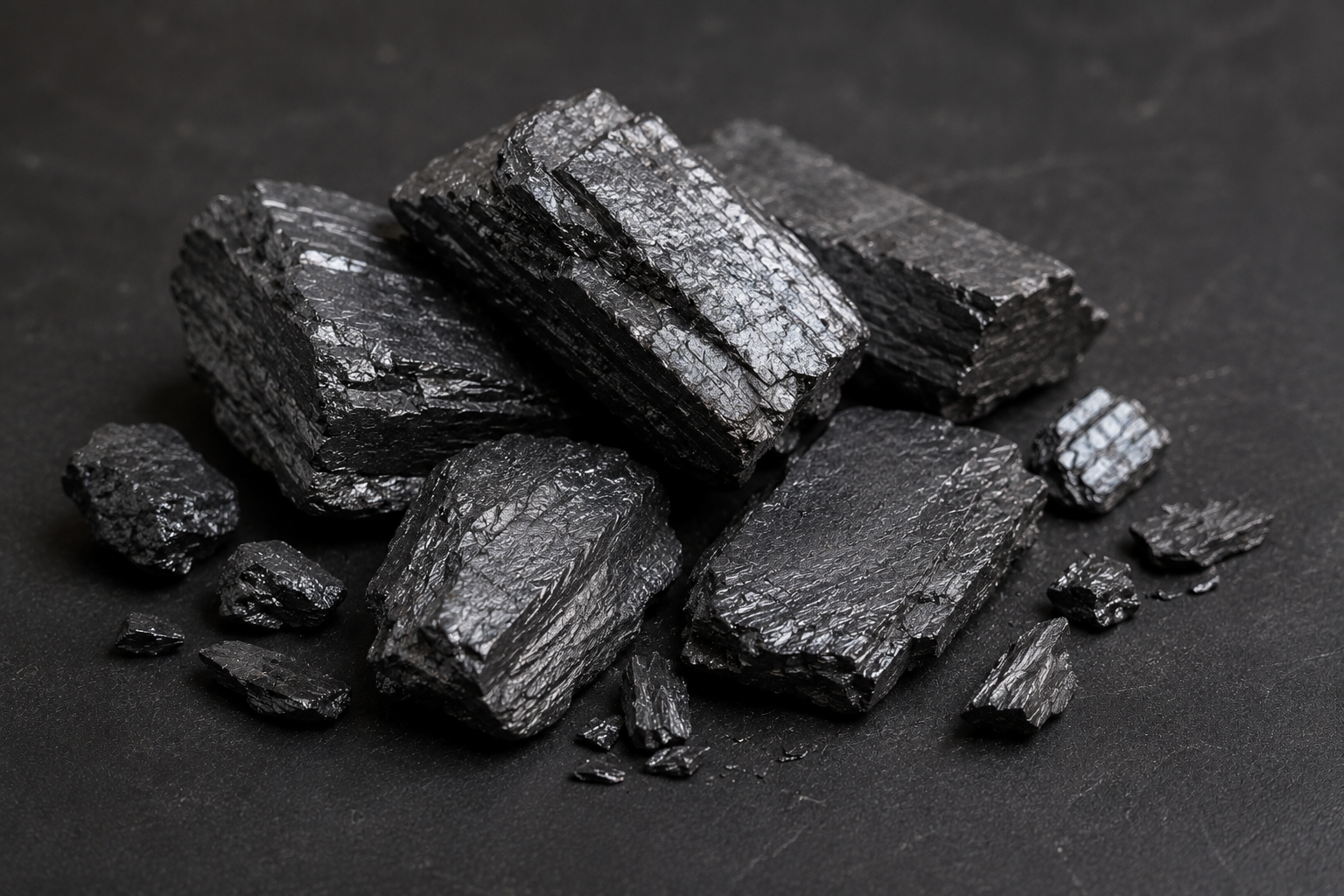
Graphite
Graphite is recovered from lithium-ion battery anodes through specialized material recovery processes. It is refined for reuse in battery manufacturing, lubricants, refractories, carbon products, and other industrial applications.
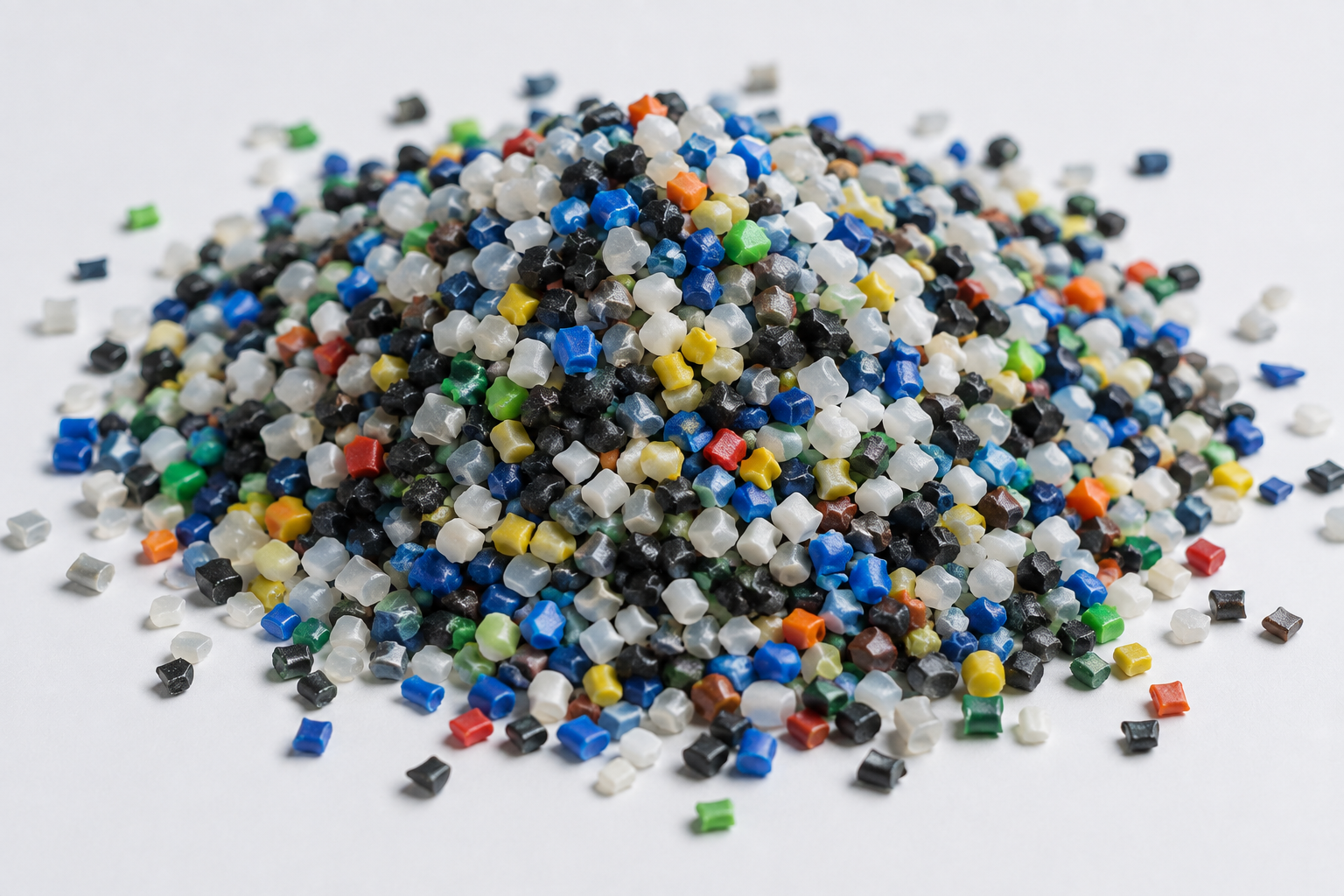
Plastics
Recovered plastics are carefully sorted, cleaned, shredded, and processed into reusable raw materials. These recycled plastics are supplied to manufacturers for producing automotive parts, packaging materials, consumer goods, electrical products, and industrial components, supporting a sustainable circular economy.
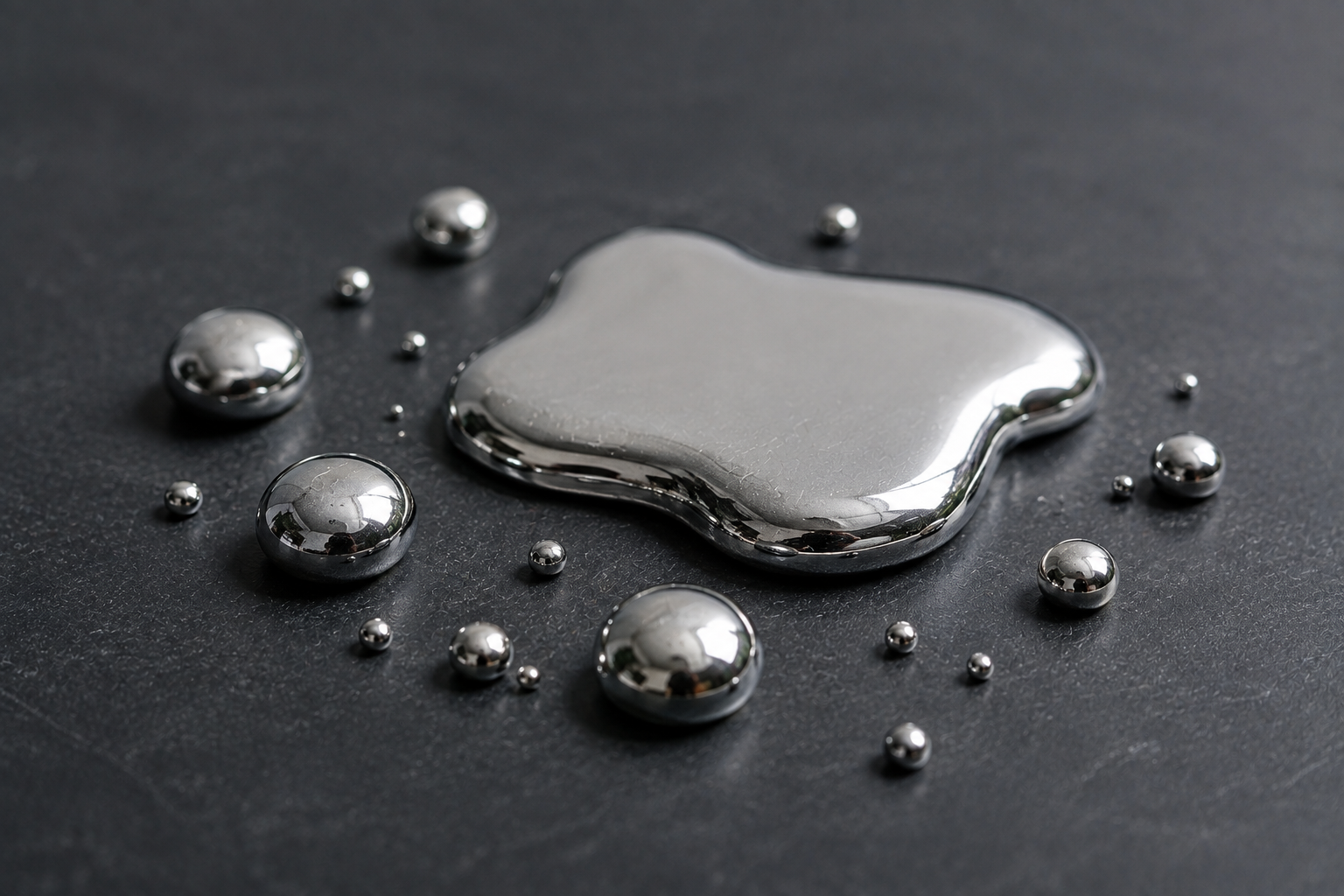
Mercury (Hg)
Mercury is carefully recovered from fluorescent lamps, switches, measuring instruments, and selected industrial equipment using specialized recycling processes. Due to its hazardous nature, recovered mercury is handled, purified, and stored in compliance with environmental and safety regulations before being reused in approved industrial applications or disposed of through authorized facilities.